Soot · Smoke · Debris · Rebuild
Fire Damage Cleanup and Restoration in Centennial
Securing the property, removing debris, cleaning soot and smoke residue, controlling odor, and rebuilding, explained in order from the day the fire department leaves.
Before you hire anyone, ask whether anyone picks up after hours, whether the technicians hold IICRC fire and smoke certification, and whether repairs are included.
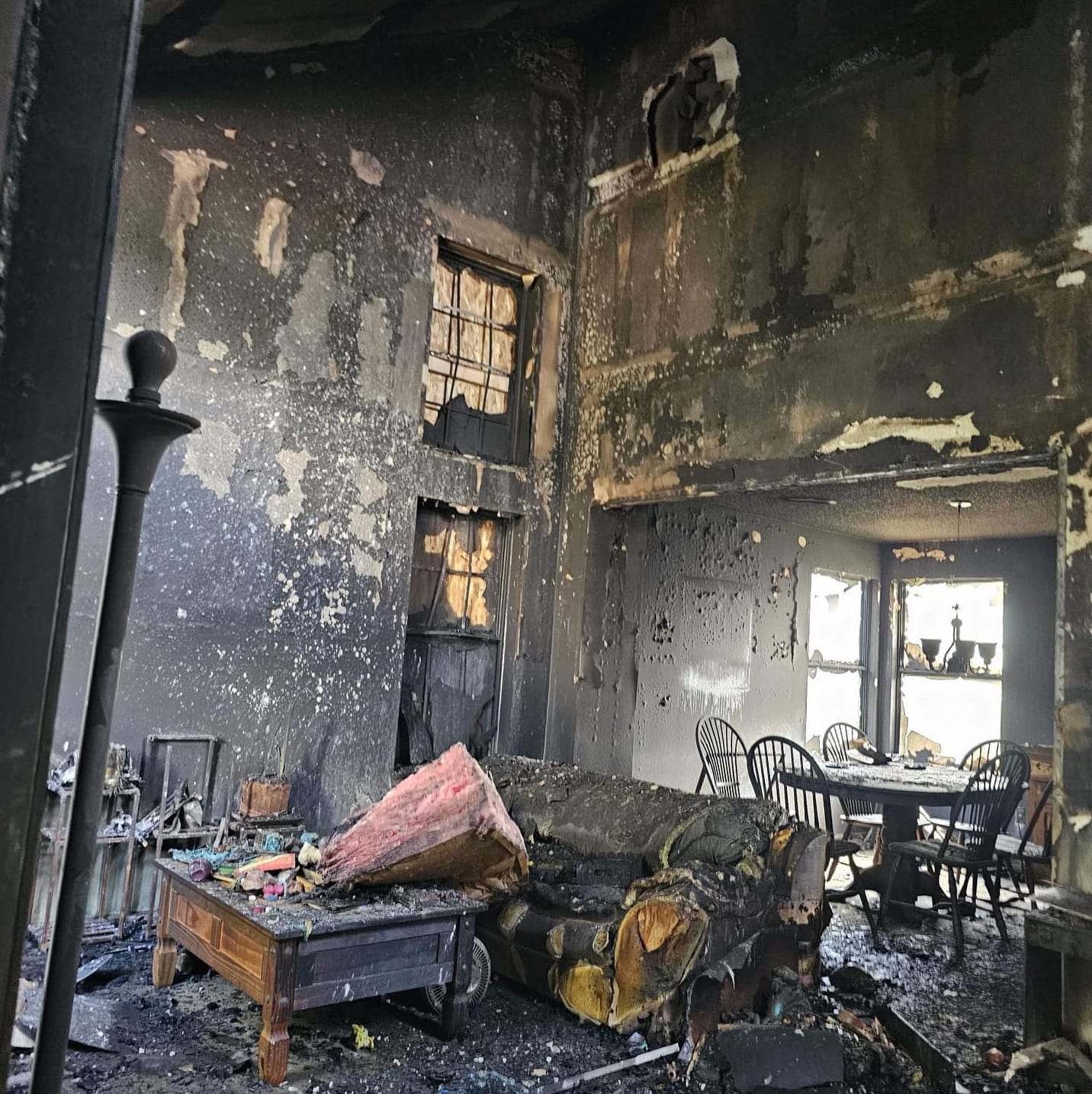
Room tag · example
Kitchen: protein residue, heavy
Clean cabinets · replace range hood filter · seal before paint
A fire's damage keeps spreading after the flames are out
-
Smoke travels farther than flames
Even a small kitchen or garage fire leaves more than charred materials behind. Smoke carries soot through the house and into closets, ductwork, and attic insulation.
-
Soot and water keep working
Soot residue is acidic and can etch and discolor surfaces over time. And the water used to put the fire out can soak drywall, floors, and the level below, so a fire job is usually a water job too.
-
The order of the work matters
Fire damage cleanup addresses all of it in the right order: securing the structure, removing debris and unsalvageable materials, cleaning soot from surfaces that can be saved, treating odor at its source, drying any water damage, and rebuilding. Each stage should be documented with photos and an itemized scope for your insurance company.
How fire restoration is sequenced
Getting the order right prevents rework and limits how far smoke residue spreads.
01 Secure the property
Board up windows and doors, tarp roof openings, and protect the home from weather and entry.
02 Assess and document
Inspect for structural damage, soot types, and water damage, then document the loss for the insurer.
03 Remove debris and contents
Remove charred materials and, when needed, pack out belongings for off-site cleaning or inventory.
04 Clean and deodorize
Clean soot from salvageable surfaces with methods suited to the residue, and treat odor at its sources, including HVAC.
05 Rebuild
Repair framing, drywall, roofing, and finishes, and walk through the completed work with you.
After the fire department leaves
- Step 1
Don't re-enter until the fire department says the structure is safe, and keep utilities off until they're checked.
- Step 2
Contact your insurance company and ask about additional living expenses if you can't stay home.
- Step 3
Don't wipe soot off walls or upholstery; it can smear and set the stain.
- Step 4
Have openings boarded up and the roof tarped to protect against weather and entry.
- Step 5
Choose a fire restoration company you have checked to secure the property and assess the damage.
The order of reconstruction
Each stage depends on the one before it. Painting before odor is controlled, or closing walls before framing is dry and clean, means doing the work twice. Order shown; timing varies by job.
- Board-up and debris removal
- Soot cleaning and odor control
- Demolition of non-salvageable materials
- Framing, electrical and drywall
- Paint, flooring, cabinets and trim
- Contents returned, walkthrough
Your belongings: the contents process
After a fire, the house and what's in it are two separate jobs. Clothing, furniture, dishes, books and electronics can often be cleaned, but not in a house that's about to be demolished and rebuilt around them. Many fire restoration companies offer contents cleaning, often called pack-out; ask how it works and get the inventory in writing.
-
Stage 1
Inventory
Each room's belongings are listed and photographed before anything leaves the house.
-
Stage 2
Sort
Items are marked to clean, to store, or non-salvageable, and you decide on anything sentimental.
-
Stage 3
Clean
Salvageable items are cleaned with methods matched to the material and the soot type.
-
Stage 4
Store
Cleaned items are kept until the house is rebuilt and ready.
-
Stage 5
Return
Belongings come back after reconstruction, checked against the original inventory.
Fire damage in Centennial neighborhoods
Centennial incorporated in 2001 from formerly unincorporated parts of Arapahoe County and is mostly residential, with neighborhoods built largely from the 1970s through the 1990s, along with commercial corridors and office parks near I-25 and Arapahoe Road. Many homes have attached garages, finished basements, and forced-air systems, all of which affect how smoke travels and where cleanup is needed.
In homes of this age, smoke and soot often reach ductwork, attics, and basements far from the fire. A thorough assessment follows the smoke's path, not just the burned area. Some fire restoration companies also do the structural repairs, which saves you from coordinating separate cleanup and rebuild contractors; ask whether that's offered.
- Many restoration companies serving Centennial, Littleton, Englewood, and Aurora are based elsewhere in the metro, so ask about travel time.
- Forced-air systems can spread smoke throughout a house. Ask that ductwork be inspected as part of the assessment.
- Additional living expenses (ALE) coverage may pay for temporary housing; ask your insurer early.
- Ask for references from recent fire and smoke jobs, not just water damage work.
ZIP codes served: 80112 (Englewood), 80111 (Englewood), 80122 (Littleton), 80121 (Littleton), 80015 (Aurora), 80016 (Aurora).
Also nearby: 80124, 80130, 80237, 80126, 80014, 80231, 80113, 80222, 80120, 80129, 80224.
Common fire situations in Centennial homes
-
Kitchen grease fire
A stovetop fire is put out quickly, but protein residue coats the kitchen and the smell has spread to every room through the return air vents.
-
Garage fire
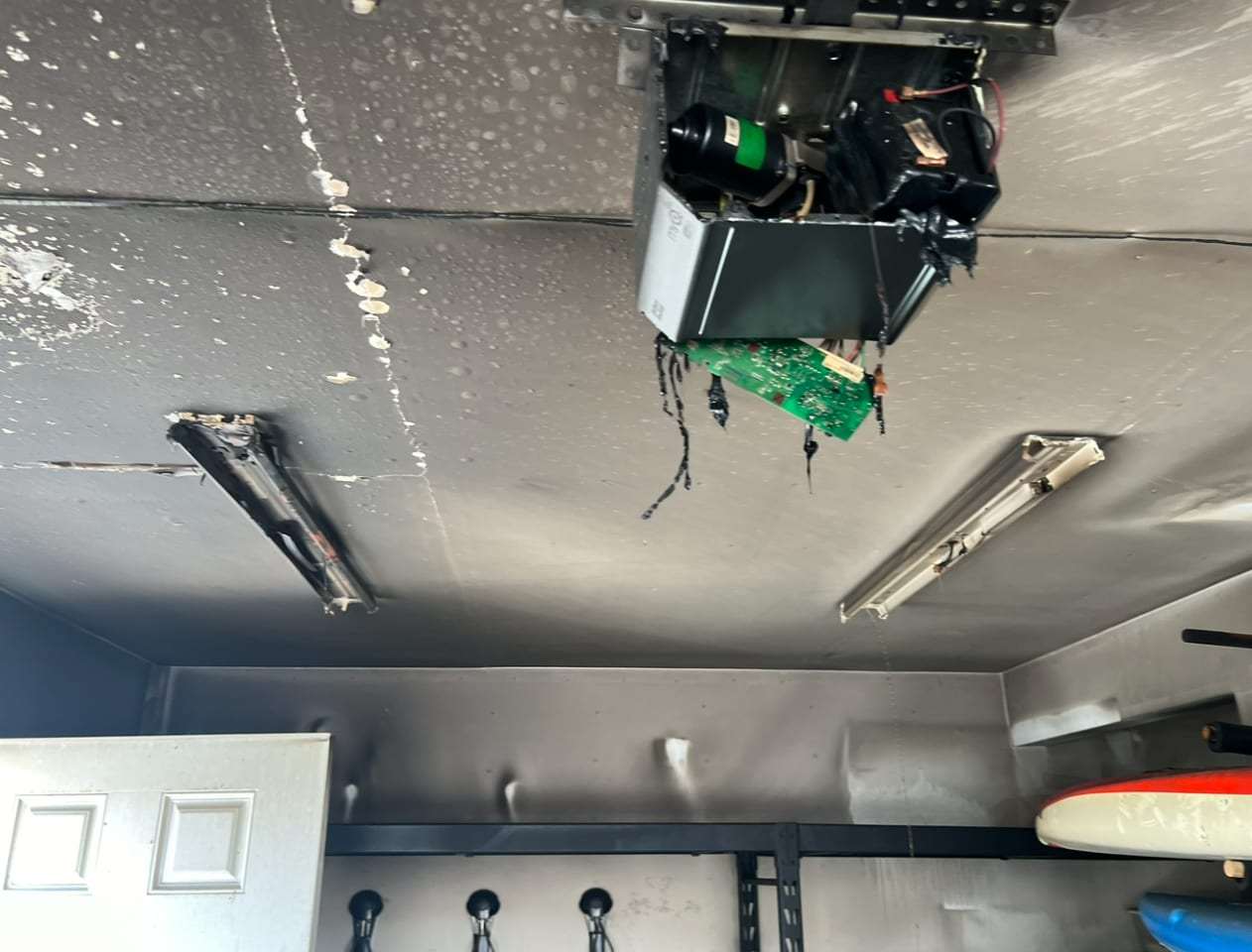
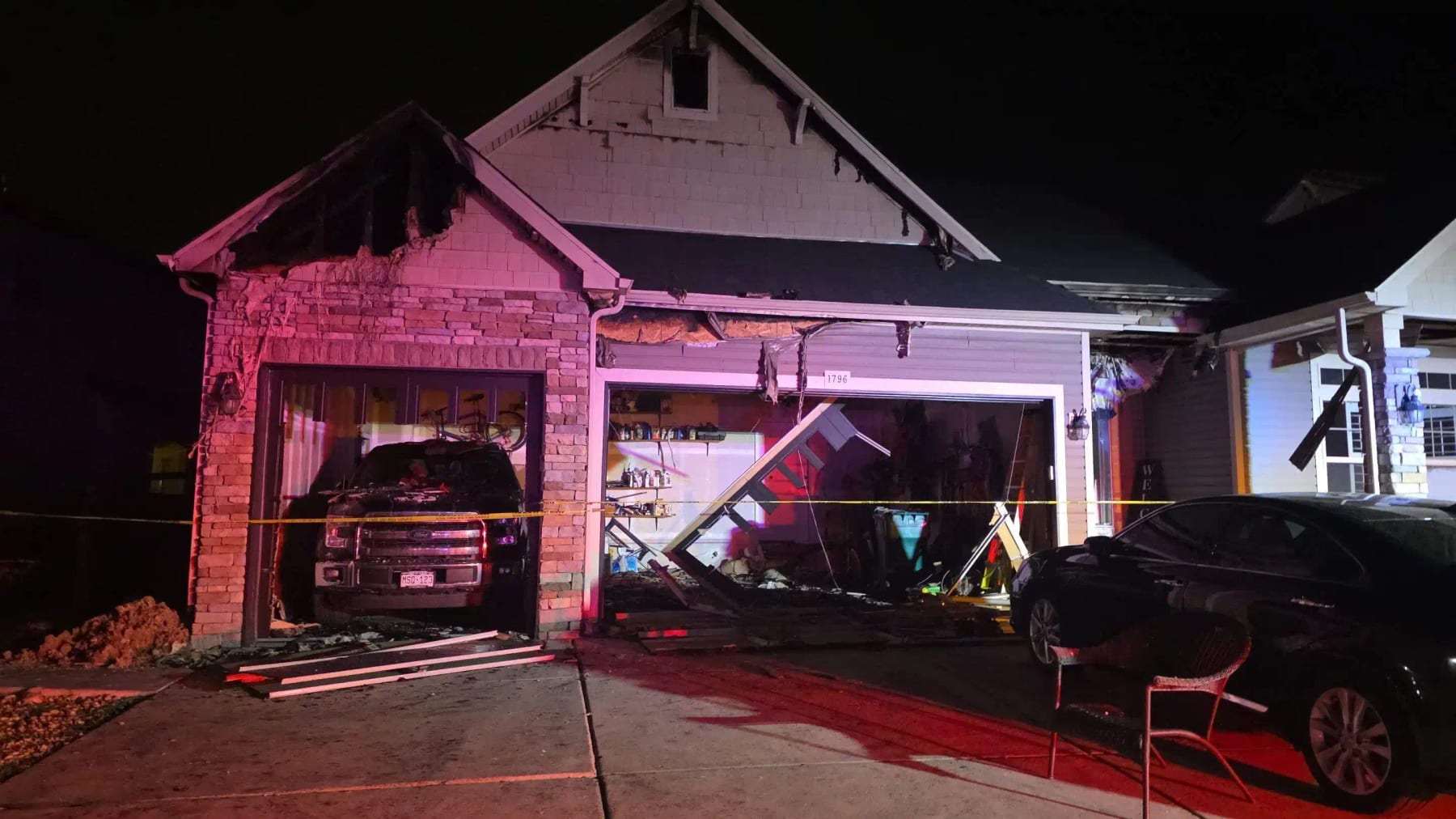
A fire in an attached garage damages the shared wall and pushes smoke into the house, and the garage ceiling is soaked from firefighting.
-
Electrical fire in a wall
A fire that starts in a wall is contained to one room, but the room above has water damage and the whole house smells of smoke.
Not all soot is the same
The type of residue decides the cleaning method. Using the wrong one can set stains permanently. Restorers identify it room by room before cleaning starts.
Dry soot
From fast, hot fires burning paper and wood. Powdery and easier to vacuum, but it smears if wiped too early.
Wet or oily soot
From slow, smoldering fires and burning plastics. Sticky and smeared, harder to clean, and strongly odorous.
Protein residue
From cooking fires. Nearly invisible film that discolors paint and carries a very strong odor.
What fire cleanup has to deal with
- Dry, powdery soot from fast, hot fires that spreads easily when touched or wiped.
- Oily, smeary residue from smoldering fires or burning plastics, which is harder to clean.
- Protein residue from kitchen fires, nearly invisible but with a strong, persistent odor.
- Water damage from firefighting, often in rooms the fire never reached.
- Smoke odor in HVAC ductwork, insulation, and wall cavities.
Go deeper on fire cleanup
Longer guides and planning tools for soot, smoke odor, belongings and rebuilding after a fire in Centennial.
- Guides
Each guide here tackles one problem that shows up after a fire in the 1970s to 1990s houses that make up most of Centennial: smoke that rode the furnace into every bedroom, a basement soaked by hose lines, a garage wall that let fire into the kitchen, a winter loss with the heat shut off.
- Checklists
These checklists are meant to be used, not just read.
- Examples
Every example on these pages is hypothetical, built to show a common pattern rather than a real household or result.
- Neighborhoods
A late-1960s ranch in Southglenn, a 1990s two-story near Piney Creek and a flex warehouse in Dove Valley burn, smoke and get rebuilt differently.
Describe the fire damage
This form is not connected. This website is a draft preview: no business has been confirmed to receive requests, so the fields below are switched off and nothing can be sent. In an emergency, call 911.
Fire cleanup questions
Is it safe to stay in a house with smoke damage?
That depends on the extent of the damage, whether utilities are safe, and the occupants' health. Soot and smoke residue can irritate lungs, so people with asthma, young children, and older adults should be especially cautious. When in doubt, stay elsewhere until cleanup is complete and ask your insurer about living-expense coverage.
Can smoke-damaged furniture and clothing be cleaned?
Many items can. Hard goods can often be cleaned, and textiles can be laundered or professionally cleaned. Items that are charred, melted, or heavily saturated with oily residue may not be salvageable. An inventory helps you and your insurer track what's cleaned versus replaced.
Why does the smoke smell keep coming back?
Odor comes from residue in porous materials, cavities, insulation, and ductwork. If those sources aren't cleaned or removed, the smell returns, especially when it's warm or humid. Air fresheners only mask it.
Should I clean the soot myself?
Light dry soot on a hard surface can sometimes be removed with a dry chemical sponge, but wiping with water or household cleaners often smears it deeper. Wear gloves and a properly fitted respirator if you must touch it, and leave larger areas to professionals.
Will my walls need to be repainted or replaced?
Walls that are only lightly sooted can often be cleaned and then sealed and repainted. Walls that are charred, water-damaged, or deeply penetrated by odor may need replacement.
What is board-up and why does it matter?
Board-up covers broken windows and doors and tarps roof openings. It protects the property from weather and unauthorized entry, and insurers generally expect owners to take reasonable steps to prevent further damage.
Should I try to wipe soot off the walls myself?
It's better not to. Dry soot smears into paint when wiped with a damp cloth, which makes it harder to remove. Oily soot spreads. Professional cleaning starts with dry methods matched to the soot type.